Rooted in Relationship: Belonging Based Coaching with Equines
On a cold morning, prior to the sun heats the sector sand, I enjoy the herd coating breakfast. The old mare noses a slow-moving circle a fresh hay flake and invites a younger gelding in. No squeals, no pinned ears, simply a soft exhale and a change of weight that states, You can be right here with me. That exchange is the heart of belonging based training with equines. It is not a method even a method of seeing. People come for equine-facilitated health, equine-assisted training, or healing horsemanship, yet what alters them most often starts with that quiet invite to share room. Belonging is felt before it is explained.
I have trained thousands of sessions, from executives doing team structure with horses to children in an autism equine learning program. The common string is relationship. When belonging is the objective, mentoring with equines becomes less regarding executing a task and more concerning finding out to review and respond with treatment. The equine brings sincerity that can not be fabricated. Whether somebody gets here with anxiousness that hums in their chest, ADHD that rattles focus, or sensory difficulties that make even the wind feel loud, the herd fulfills them right where they stand.
What belonging appear like in a barn
Belonging with horses is based in authorization, clearness, and uniformity. Equines are social students. They map safety through predictability, consistent body movement, and the ability to pick. A horse that can state no by leaving is additionally a steed whose yes brings meaning. In a belonging based technique, the steed is a companion and an active communicator. We set up the setting so both types can express choice without penalty.
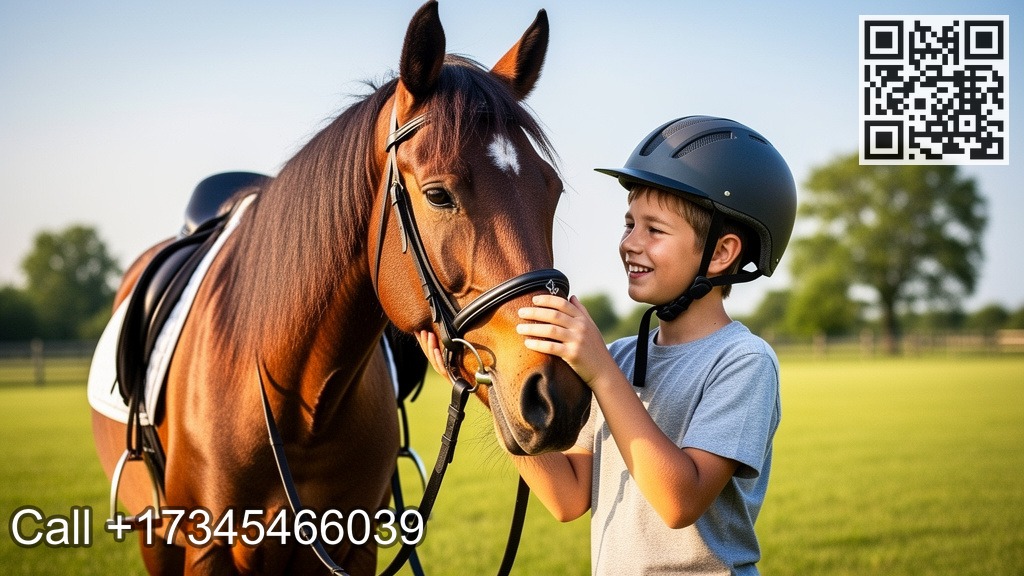
That typically indicates simple, concrete changes. We start unhaltered in a paddock when possible, after that transfer to a halter only after a mutual check-in. We offer horses time to orient to a new human, and we teach human beings exactly how to discover a decreased head, a lick and eat, a curious ear, or, equally as significantly, a limited jaw or a tail clamp that says pause. The objective is not to analyze every shiver, but to treat the horse as a whole being with a nerves that mirrors our own.
With people, belonging programs up as choice in how they engage. Some customers prefer grooming in silence initially, locating rhythm in sluggish curry circles. Others wish to walk with a steed at liberty, or technique leading with soft hands and clear boundaries. The session adapts, not to cater to, however to regard nerves and develop capability step by step. In this spirit, equine-assisted solutions come to be much less of a menu and even more of a relationship field.
Sorting the language so we understand what we are doing
The field uses overlapping terms, which can perplex customers. I tend to explain them in plain language so individuals can select the ideal doorway.
Therapeutic horsemanship normally includes finding out horsemanship abilities, such as pet grooming, adding, and installed or unmounted workouts, with adjustments for physical, cognitive, or emotional needs. It can boost balance, sychronisation, and confidence.
Equine-assisted activities are structured interactions with horses, usually leisure or academic, that construct abilities like interaction or issue fixing. Assume obstacle programs at liberty, or finding out to lead an equine via patterns.
Equine-assisted services is a wider umbrella that includes activities, training, and some scientific solutions. It comes in several styles and settings, from farms to healing riding centers.
Equine-facilitated coaching and equine-assisted coaching concentrate on individual and expert advancement rather than clinical therapy. These sessions make use of the horse as a receptive companion to illuminate patterns in management, limits, or relational style.
Equine-facilitated wellness rests between coaching and psychological wellness assistance, and in some programs includes collaboration with specialists or bodyworkers. Somatic healing with horses frequently lives right here, where breath, posture, and experience guide the learning.
None of these are equally unique on the ground. A session might start as experiential understanding with horses and move right into equine-facilitated training as understanding arises. The important part is clarity about range, objectives, and consent.
Why horses aid policy stick
People commonly ask why equines seem to soothe them faster than a reflection app or a stroll in the park. Co-regulation is the short response. Steeds are victim pets with intense level of sensitivity to nonverbal signals. They notice refined shifts in breath, stress, and focus. When an individual settles, the horse typically softens too. When the individual climbs into anxious thinking, the equine could lift their head, freeze, or step away. This dynamic feedback loophole makes the unnoticeable visible.
In method, that appears like paced breathing while an equine matches your tempo at the rail. It resembles a kid discovering to pause before tugging, uncovering that a slower exhale brings the horse better. It resembles an executive understanding that the tougher they press, the less the steed intends to adhere to, which mirrors a stressful conference room in your home. These minutes support nerves discovering in muscle mass and bone. It is not abstract. It is kinesthetic and immediate.
Somatic recovery with equines does not require an injury narrative to be reliable. It begins with present moment understanding: feet on the ground, hand on a warm shoulder, the audio of eating. For clients who bring injury, this sensory focus can be maintaining. And for those exploring ADHD equine discovering assistance, the body-based jobs give simply sufficient movement to engage interest without flooding it.
Safety that builds confidence without reducing challenge
Safety is not the lack of danger, it is the presence of assistance and choice. Horses are big and opinionated. They also hunger for great leadership and clear requests. In a belonging based technique, we set up the setting to allow genuine connection while layering in useful safeguards.
We match equines to customers by character, power, and history. A 1,200 extra pound draft cross with a soft eye may be ideal for distressed adults, while a creative pony that loves challenges helps teenagers that prefer involvement over relaxing. We maintain in shape tack, clear arenas, and consistent regimens. We do not put individuals in situations where a crisis, either equine or human, is the only method out.
We also show mechanics without dramatization. Brief result in start, after that longer ropes as abilities grow. Hands at the knot, not the snap. Quiet halter modifications with the equine's head decreased. Direct your feet where you want to go, then invite the horse to match. These tiny practices build up. Over a typical eight session series, I anticipate to see dealing with skills advance from tentative to worked with, and psychological law from weak to resilient.
A day in the field, item by piece
A first session has a different cadence than the 8th. People arrive with stories regarding horses, some tender, some scary. Our task is to turn the quantity down on story and up on prompt experience. Here is a compact version of exactly how we structure the circulation while leaving area for improvisation.
- Arrival and orientation, consisting of a brief walk to satisfy the herd from outside the fence.
- Consent and check-in in plain language, such as, Would you such as to start with brushing in the cross ties or with a couple of mins at liberty in the round pen?
- Safety fundamentals woven into the first task, like where to stand at the shoulder and exactly how to see the horse's bubble.
- A core exercise that matches the customer's objective, perhaps leading through a pattern or exercising stillness with hand on wither.
- Reflection and integration, linking felt sense to day-to-day live, after that a closing ritual such as a thank you scratch at the favorite spot.
That checklist covers concerning 60 to 75 minutes depending on interest and arousal. I do not hurry. If the whole session ends up being a lesson in exactly how to slow down a steed's consuming to keep everybody risk-free in the cross connections, that is not a failing. It is life with steeds, and it shows persistence, timing, and body awareness.
Stories from the rail
M., a 9 years of age with a spiky connection to college, came for what her parent called Alternative therapy for sensory difficulties. She disliked tags on t shirts, covers on beds, and the surprise of emergency alarm. On the first day she wanted to stand behind a gate and watch. The gelding Zig took two steps, after that dropped his head to sniff her boots. She laughed, after that flinched, then chuckled once more. We developed from that moment.
By week 3, M. Was brushing Zig with a blue soft brush, counting strokes aloud. The task provided her simply sufficient framework. When the barn swallows jumped low and she alarmed, we had a simple prepare for ground: seek out at the rafters, press feet right into the floor covering, exhale longer than the inhale. Zig's ear snapped back to her each time she allowed air go. After eight weeks, M. Still did not like emergency alarm, yet she had https://shanextwc055.theglensecret.com/autism-friendly-trails-an-equine-discovering-program-that-welcomes-all a mobile protocol for surprise: orient, ground, breathe out, reconnect. Her parent reported less disasters around sensory spikes and even more confidence advocating for breaks.
On a different Tuesday, an elderly management team came for a half day of team building with equines. We used a freedom workout called Follow The Yes. The team needed to relocate a horse via a pattern of cones without touching or approaching. The initial attempt appeared like a staff meeting with way too many emails. 4 voices, no plan, an overwhelmed steed that decided to graze in the only patch of clover. We stopped briefly and asked the evident: Who is leading, that is supporting, and exactly how will the steed understand? Round 2, a single person set direction, the others created a boundary bubble with their bodies as opposed to sound. The equine walked through the cones on a loose arc, then stopped briefly to deal with the group. The debrief was brief and sharp. They recognized the habit of over-talking and under-communicating in their daily job, and they entrusted one contract: fewer words, even more clarity regarding role.
For anxiousness assistance with equines, a pattern appears over and over. Individuals take a breath high and quickly when they fret. Horses feel the shallow breath and react with alertness. We try out matters and tempo. Some clients like a 4 in 6 out pattern. Others choose placing a hand on the steed's side to match the slower equine rhythm. Within two or three sessions, a lot of locate a breath that benefits them, and the steed responds in kind, going down the head or leaning in. That co-created rate ends up being a reference point for high risks moments off the ranch, like a job interview or a difficult conversation.
Coaching devices that recognize both species
Equine-facilitated coaching utilizes classic training abilities, however the horse keeps us truthful. Personal goal setting issues, but we define it in actions we can see and really feel, not simply really hopes. If the objective is better borders, we determine it as, Can you ask the steed to step back without increasing your voice, after that soften and invite them forward again? If the goal is cooperation, we exercise handoffs in a leading pattern, noticing exactly how timing, stance, and tone affect the steed's desire to adhere to multiple individuals in sequence.
Curiosity is the various other core device. As opposed to determining what an actions means, we check it. If the horse crowds you at eviction, are you standing in an area that welcomes a better look, or did the horse learn that pockets imply deals with? If you open your shoulders and take a longer action, does the crowding resolve? This spirit of experiment safeguards the equine from being a mirror for everything and secures the individual from over-interpretation.
For customers seeking ADHD equine learning assistance, I keep exercises brief and specific, then differ them just enough to keep passion. A 10 min grooming circuit that rotates brushes and body areas can construct sequencing skills. Leading via a pattern that transforms every two cones supports functioning memory and versatility. The reward is not simply concentrate. It is agency. A client who notices, I lost track at the blue cone, after that resets without embarassment is moving an essential exec feature skill into everyday life.
Belonging and neurodiversity
An autism equine finding out program that centers belonging is not a one size fits all curriculum. Some clients need predictability most of all. We keep the pattern constant for numerous weeks, then include a little change, such as a new brush structure or a brand-new course to the sector. Others flourish on novelty but need clear start and quit cues. We make use of aesthetic supports, like a colored cone where each exercise starts and ends, together with a straightforward spoken script.
Sensory handling issues for horses too. A noisy jacket, a jangling halter, or a solid aroma can be aversive. We problem solve both instructions. If clipping noise is excessive for the client, we smother with a towel and job farther from the barn. If an equine reacts to a mobility device rolling close, we begin at a distance and set method with calm support, permitting the horse to examine on their terms. Appreciating both nervous systems boosts genuine participation.
What adjustments over time
In eight to twelve sessions, patterns arise. Individuals arrive with shoulders near ears, and entrust to a neck that moves like it remembers just how. They uncover they can state no to a steed without being mean, and the steed appreciates it. They really feel a yes in their upper body when the steed selects to comply with on a slack line, and that really felt sense of yes starts to guide choices away from the barn too.
Teams that experiment horses tend to revive three small however durable behaviors. They make one clear request at once. They validate comprehending with a visible behavior, not a vague nod. And they debrief immediately when the job ends, while the footprints in the sand still reveal the pattern they walked. These exact same leaders typically report that meetings run much shorter by 10 to 20 mins, merely because they trade chatter for signals that land.
Simple, powerful workouts to attempt with guidance
If you are thinking about equine-assisted tasks or equine-facilitated coaching, 2 fundamental techniques can reveal you a great deal regarding your patterns. Deal with a professional for safety and security and for the equine's health.
- Boundary and invite at the shoulder: Stand at the horse's left shoulder facing forward. Ask to take one step back with a clear exhale and a small wave of your fingers towards the upper body. When they tip, soften, action in, and incentive with a rub. You will certainly discover where you overdo and where you hesitate.
- Liberty follow: In a little pen, walk a mild curve and see if the steed chooses to mirror you. Otherwise, pause, soften your look, and transform instructions. If of course, try slowing down to a quit and breathing out. Does the equine stop with you, or do you need to welcome the quit with a tiny action sideways? In either case, you are currently in a dialogue.
These are not techniques. They are stress and launch in the lightest feasible form, which constructs quality and trust.
Ethics and the steed's experience
Belonging includes the equine. We set up rest days so the herd is not asked to hold emotional labor nonstop. We turn horses so one exhibitionist does not bring every friendly team while a quieter steed never ever gets a turn with the soft-spoken autists who could love them. We view weight, unguis, and saddle fit, because physical discomfort masquerades as behavior trouble.
I have actually denied sessions when a horse informed me they were done for the day. That selection sets you back earnings in the short-term and builds trustworthiness in the long-term. Clients that witness us honoring the horse's no learn to honor their own. They come back since they trust the container, not because we guarantee miracles.
How groups in fact learn with horses
Most groups do not need ropes programs. They require straightforward feedback that ties to actions, not personality. Equines consider that easily. A brief style that regularly works in a half day resembles this:
- Warm up with quiet leading. Pairs guide a steed via an easy square in silence to reset communication habits.
- Clarify duties, then complete an unique job, such as moving a herd, 2 steeds, from one end of the sector to the other with open gateways and a couple of distracting elements.
- Debrief based upon what the horse did, not that chatted most. Call the micro-moves that worked.
In this structure, equine-assisted coaching becomes a functional laboratory. Outcomes are visible. The group either relocated the equine safely, or they created chaos. After that they refine and try once again. The lessons leave hoofprints, not just sticky notes.
When horses are not the response, and when they are
There are times when an office, a facility, or a gym is the ideal area. If somebody is really dysregulated, freshly hurt, or frightened of pets, we may start in other places. Furthermore, if a customer desires only riding lessons, we may refer them to a program concentrated on placed skills. Training works best when goals line up with the medium.
That said, there are patterns where equines succeed. Individuals that discover best by doing love experiential knowing with horses. Those who feel embeded talk treatment typically open a new door when a 1,000 pound pet replies to their silent yes. And for customers seeking an Alternate therapy for sensory difficulties, the barn supplies a buffet of based experiences that can be titrated carefully. The fragrance of hay, the warmth of a barrel, hoofbeats on sand, the resonance of a contented nicker, all are inputs we can dial up or down.
Getting began without the hype
If you really feel attracted to this job, check out a program prior to you publication. Enjoy just how the staff move the equines. Do they decrease at entrances, wait for the equine to reduce the head before haltering, and keep their voices consistent also when something unexpected occurs? Ask exactly how they define range. If they supply equine-assisted services extensively, what does that mean for your objectives? If you require anxiousness assistance with horses, how do they titrate stimulation? If you want equine-facilitated mentoring for leadership, what does success look like three months later at work?
A great program will welcome those questions. They will talk straight concerning safety and security and cost and what happens if the horse claims no on a given day. They will be truthful concerning the difference between a shiny photo and the genuine work of standing in sand, occasionally in the rain, improving your timing till the lead rope seems like a shared language.
The peaceful revolution of belonging
What stands apart after years in the arena is just how tiny changes surge. A teen boy that could not make eye contact with educators discovers to consider a steed's shoulder to time a demand, after that finds that the same soft look makes individuals feel valued. A supervisor who stayed clear of problem learns to ask a horse to back up one step, after that one more, then steps forward to welcome the equine into their room once more. Borders end up being a dancing, not a wall surface. A female that never trusted her reactions since they had been questioned for years notifications that the mare loosens up whenever she follows her initial impulse instead of overthinking. She starts small with loved ones, and the adjustment holds.
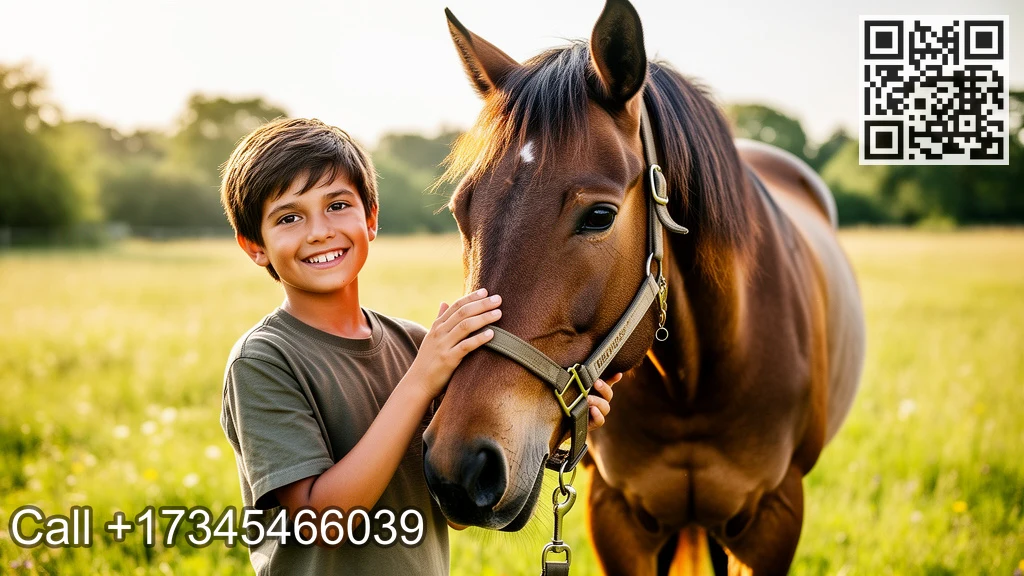
Belonging based training with steeds is not regarding repairing individuals. It has to do with bearing in mind just how to be in partnership with quality, generosity, and option. The herd already understands how to do this. We step into their area and, with good luck and technique, we let that wisdom form us. When it works out, the old mare will certainly walk a sluggish circle the human the means she does around hay, after that open up a space at her shoulder that claims, You can be here with me. That is the lesson worth bring home.
Happy Hooves Wellness
9177 Gross Rd, Dexter, MI 48130
+17345466039
https://www.hhooves.com/