Seasons of Adjustment: Year-Round Equine-Assisted Providers for Development
A horse's breath hazes in the very early cool. A trainee with distressed hands steadies the lead rope, listens to the soft chink of a little bit on steel, and really feels based by the weight of a thousand silent pounds close to them. The job looks easy from the fencing line. Inside the field, absolutely nothing is basic, and that is the present. Horses mirror intent, test limits in the kindest method, and settle only when people settle. With the best framework, that dance becomes growth, season after season.
This is what year-round equine-assisted services can provide. Whether the objective is therapeutic horsemanship for a kid on the autism range, equine-facilitated health for a burned-out professional, or group structure with steeds for a leadership team, uniformity across spring rainfall, summer season heat, autumn wind, and crisp winter stillness keeps the discovering alive. The periods do not interrupt the work, they grow it.
Why steeds help, and exactly how the job differs
The umbrella term equine-assisted solutions covers a team of techniques that use equines to support learning, health and wellness, and personal development. The differences matter.
Therapeutic horsemanship emphasizes ability building pertaining to horse treatment and riding, often with flexible devices and a progressive plan. It pairs normally with ADHD equine learning support, where the structure of grooming, adding, and riding comes to be a functioning laboratory for focus and impulse control.
Equine-assisted tasks include non-therapy learning, recreation, or ability method, such as foundation classes that establish communication and body understanding. Many barns incorporate this group for customers that do not require health care invoicing however thrive with experiential discovering with horses.
Equine-assisted coaching, occasionally called equine-facilitated training, applies coaching concepts to ambitious adjustment for grownups or groups. The horse comes to be a psychophysiological feedback partner, showing harmony and leadership style. This equates well to team structure with horses, where a team works out tasks with a steed free or on a lead, after that debriefs exactly how duties, pressure, and quality influenced the outcome.
Equine-facilitated wellness leans into nerve system law and strength. It is a solid fit for anxiousness support with equines, somatic recovery with equines, and Alternate treatment for sensory challenges when delivered by specialists learnt trauma-informed practice. Some providers are additionally accredited medical professionals. Others companion with mental health and wellness specialists to maintain extent and borders clear.
Every approach shares a structure. Equines reply to what is present, not what we say is present. They do not respect our titles or manuscripts. They appreciate whether our feet move with purpose, our breathing tells the truth, and our requests make sense. That is the consistent instructor with cold wave and warm waves.
The rhythm of the year, in the sector and the pasture
Programs that run well all year lean into each season's all-natural lessons.
Spring brings unpredictable skies and dynamic equines shedding winter season layers. Power runs high. On gusty days the barn aisle comes to be the class, and brushing transforms into a sensory-rich series. For an autism equine learning program, this is a functional time to present foreseeable regimens around noise and activity. Short, frequent foundation intervals assist pupils attune to their bodies, then rest. Foals or yearlings, if present and properly handled, remind everyone that boundaries matter and timing matters more.
Summer commonly suggests longer daytime and, depending upon location, warmth and insects. Morning sessions help bikers and steeds avoid peak temperatures. Mounted work might raise if ground is dry and safe, but wise programs stay clear of battering miles for thoughtful patterns that develop balance and proprioception. Sensory factors to consider involve the forefront. Cooling breaks, water misters, and fly monitoring maintain things humane. Students with sensory level of sensitivities discover to browse layers of equipment and stimuli, with personnel ready to adjust plans if a horse's tail swish or a humming bug ends up being too much.
Autumn moves the light and the wind. Leaves rattle, darkness stretch, and also experienced steeds can feel alert. This season succeeds at equine-assisted training and group building with equines. Exterior challenges with natural products, from log piles to tarp rivers, produce compelling allegories for change and unpredictability. The work likewise suits adolescents working on executive feature. Planning a course with a program, bargaining who offers the hint and when, after that reviewing what worked builds skills better than lectures.
Winter reduces everything down in a great way. If an interior arena is offered, the quieter soundscape and foreseeable surface motivate much deeper somatic recovery with equines. Foundation ends up being a meditation. Straightforward breath-synchronized leading teaches nerve system policy. In areas without an interior area, brief barnyard sessions in the midday sun, followed by heated tack area debriefs, can be just as effective. The chilly puts a useful border around time on job, and the soft qualities of a woollen cooler over an equine's back can be a regulating sensory anchor for someone learning body-based soothing strategies.
Real individuals, actual changes
A teenager, 14, gotten here with a school record that reviewed like a weather forecast of storms: failing grades, missed research, lunch detentions. ADHD made his exec feature delicate, and pity had developed a hard shell. In springtime we focused on consistency. He created a two-step plan on a white boards each session. Capture equine. Bridegroom. A 3rd step waited till the initial 2 came to be automatic. By summer season he was riding walk-trot patterns that needed him to call out markers prior to he reached them. In fall he coached a more youthful motorcyclist via the very same pattern from the facility, uncovering that he can break jobs right into practical pieces for another person. Wintertime brought a peaceful development. During an icy week we never ever left the crossties. He found out to choose unguis safely, a fine-motor job that formerly triggered frustration. The following institution report showed improved job initiation. No wonder, simply steady transfer of an arena habit to a workdesk habit.
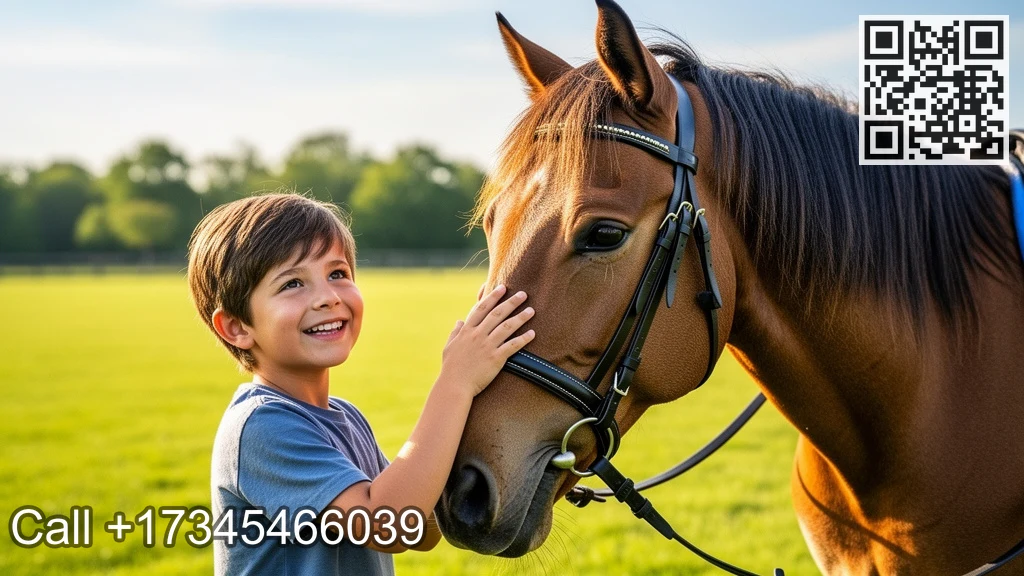
A veteran in his thirties, dealing with anxiousness that felt like power, came for equine-facilitated wellness. Installed work would have bewildered his system. We built a simple procedure around leading a tranquil gelding on a loosened line. He measured his breath with the steed's steps. If the gelding raised his head, he paused himself before the horse did. The policy was compassion to both nerve systems. After eight weeks he reported fewer nighttime spikes. He did not credit the horse with treating anything. He attributed the steed with instructing him to discover the initial roll of a rise and do something effective in the first 30 seconds.
A school area brought a management team for a loss resort. The job looked benign. Relocate a mare from one pen to another without touching her. The team divided swiftly right into talkers and movers. The mare ambled to the quietest individual, a paraprofessional who stepped laterally efficiently and kept her eyes soft. Throughout the debrief, the superintendent recognized her very own behavior of over-directing. By winter season the district had actually adjusted conference norms to consist of a minute of silence prior to dispute. They sent out a note in spring that meetings took less time and really felt much less adversarial. Horses do not give out certifications, however they commonly seed a business shift.
Designing for different minds and bodies
People frequently ask what makes an autism equine discovering program job. Consistency and choice do the majority of the hefty lifting. Aesthetic timetables on clipboards, installed where hands can reach them. Clear beginnings and endings to tasks, such as 10 brush strokes per side or walking from cone A to cone B, time out, after that back to A. Predictable shifts secure the session. Option allows ownership. Red pad or blue, baiting the left or right, stopping at the very first or second cone. Lowering novelty does not imply decreasing challenge. It suggests titrating change so the nervous system can stay engaged.
For ADHD equine learning support, variability within structure helps. Timed periods keep energy, while all-natural consequences give feedback. If attention wanders and the horse wanders, the motorcyclist feels it instantaneously. That immediacy, combined with a nonjudgmental debrief, transforms oops moments right into data. Team trained in scaffolding will understand when to utilize spoken triggers, when to model the movement, and when to go back. A typical rule at my barn is try it your means as soon as, after that try a suggested method as soon as. Freedom and training rest side by side.
Alternative treatment for sensory difficulties is not a euphemism for anything-goes. It is a cautious develop of sensory input with leaves. The texture of curry combs, the audio of hoof tease concrete, the sway of a strolling steed, all can calm or bewilder. A great program offers numerous paths to success. If the audio of a girth fastening is also sharp, we can desensitize slowly, or we can invest the session free in a rounded pen, allowing the horse mirror strolling patterns from a range. The objective stays the very same, capability structure, even if the course shifts.
Anxiety assistance with horses sets well with somatic methods. Personnel should recognize exactly how to hint breath pacing, orienting to the space, and basing with call with a tactile surface. Hairline adjustments issue. Resting a flat palm versus a steed's shoulder, rather than pressing fingers into a mane, can transform the message the equine receives and the inner message the individual sends. We show micro-skills and we show individuals to discover micro-wins.
Horses first, always
The finest results depend upon healthy, willing equines. Year-round work requires focus to herd dynamics, fitness, and remainder. Rotating horses in between programs maintains minds fresh. An elderly mare that radiates in wintertime groundwork may need a lighter summertime timetable. A young gelding who enjoys https://zaneblnr725.publishlane.com/posts/linking-globes-autism-equine-discovering-program-for-social-connection group obstacles may be a bad suitable for sessions with abrupt piercing noises. Matching equine character to the work protects against a thousand little stress factors that amount to burnout.
Footing matters. Outside arenas require water drainage that handles springtime rain without creating suction pits. Summer season dust control shields lungs. Autumn leaves can conceal holes. Winter season freeze-thaw cycles produce glossy spots that ask for conservative decisions. An interior arena, if available, must be examined for acoustics, illumination, and safe spectator locations. Tiny changes aid, like hanging sound-dampening material or painting a high-contrast line along the kickboards to sustain visual processing for bikers that gain from stronger boundaries.
Tack and equipment selections should serve the rider and the horse. Adaptive reins, knotted or laddered, assistance grip without requiring wrist strain. Mounting ramps decrease danger and maintain dignity. For sensory-sensitive cyclists, softer saddle pads and silent fastenings lower aversive stimulations. Every little thing is trial and adjust. Absolutely nothing is one-size-fits-all.
Safety and risk administration that appreciate the work
Weather, ground, and herd mood modification daily. Programs that hold strong borders also hold individual trust fund. A brief, simple seasonal checklist uploaded by the barn door maintains the group aligned.
- Confirm footing safety and change session plans.
- Check wind cool or warmth index and set time limits.
- Review equine assignments based upon current energy.
- Prep sensory supports and hydration stations.
- Establish a clear quit signal and evacuation route.
Clear communication develops calmness. Before a session, personnel lay out the plan and the pivot. If the wind spikes, we will relocate to the round pen. If the equine flags, we will certainly change to brushing. If you wish to quit, claim hand break and we will certainly stop briefly whatever. That framework gives people permission to notice their own signals as opposed to muscling through.
A session arc that works throughout seasons
I have used numerous session structures. The one listed below adapts well from warm July mornings to icy January afternoons.
- Arrive and orient: greet the area and the herd, name one goal.
- Regulate with each other: quick breath or motion sequence with the horse.
- Task emphasis: a couple of details abilities that match the goal.
- Integration: go back, observe the result, try a second representative or variation.
- Closure: acknowledge effort, name one transfer to life outside the arena.
This arc maintains the nerves on a convenient roller. It consists of a start that really feels secure, a center that requests difficulty, and a finishing that seals agency.
The coaching and business side
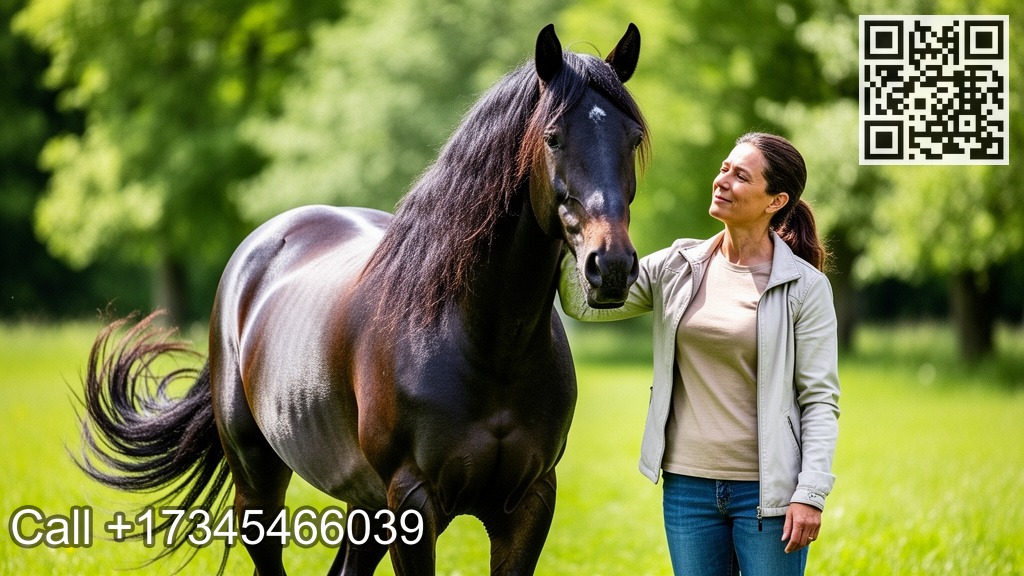
Equine-assisted mentoring, whether branded or combined, usually peaks in springtime and autumn when climate invites longer outside representation. I prefer ground-based tasks. A common workout asks an individual to lead a horse with a V-shaped chute developed by poles. The space narrows toward completion, just as jobs do. People discover to readjust power and clearness as constraints tighten. Horses spot incongruence quicker than any coworker can. If a leader says they are relaxed while sending out a wall surface of stress, the steed plants feet and flicks an ear. That minute, managed with regard, comes to be a mirror. Debriefs focus on choices, not character. When a team returns in winter months, we occasionally recreate tasks in an interior lane with fewer aesthetic cues. The lowered stimuli draw out the top quality of breath and timing, abilities that generalize to long budget plan conferences or challenging moms and dad conferences.
Measurement without losing the magic
Skeptical stakeholders deserve information. We can quantify end results without squashing the experience. For restorative horsemanship, track task evaluation over time. The amount of motivates to select front feet, then hind. How long a motorcyclist preserves an arranged publishing trot before losing rhythm. For anxiety support with horses, utilize short self-report ranges prior to and after sessions to catch shifts in stimulation. For ADHD equine learning assistance, work together with colleges to keep an eye on homework initiation or on-task time in class.
Counts need to be coupled with tales. A chart that reveals a biker went from 30 seconds to 3 minutes of continual emphasis lands harder when paired with a note from a parent that supper is calmer since their child now utilizes a barn breathing game at the table.
Staff, training, and scope
The people matter as long as the equines. Solid programs buy staff training that fits their scope. Organizations like PATH Intl. Offer standards and accreditations for teachers in restorative horsemanship. Designs such as Eagala emphasize ground-based, psychological health expert co-facilitated work. Numerous barns build hybrid groups, matching skilled horse specialists with instructors, OTs, or counselors. Clear duty meanings protect against drift. An instructor is not a specialist. A specialist is not a riding instructor. Everybody can be trauma-informed, implying we prioritize option, permission, and regulation.
Ongoing supervision and instance examine maintain the work moral. Debriefs include equine welfare. If a gelding pins his ears in 3 sessions, we transform something. If a trainee dissociates whenever they place, we reduce and adjust the plan rather than pushing to check a box.
Facilities that flex with the calendar
A moderate center can still run year-round with planning. Shield frameworks and fans aid in summer. Basic windbreaks and risk-free heating systems aid in wintertime. Lights that lessens flicker decreases sensory stress at sundown. Storage for seasonal gear issues greater than people expect. Keeping quarter sheets, coolers, fly masks, and rainfall sheets organized and accessible turns transitions into skill-building minutes rather than scrambles.
Barn society additionally affects safety and security and end results. Quiet posted guidelines concerning voice volume in the aisle, lead rope handling, and entrances bring about less close telephone calls. Visitors that feel welcomed and oriented come to be partners in keeping a tranquil environment. The tone starts with personnel. Horses take in whatever humans leak. I once altered a posted beginning time by 10 minutes so staff could end up prep prior to the initial auto showed up. Our herd resolved within a week, simply since we quit rushing.
Access and equity
Equine job is source extensive, which can omit families and areas that would benefit. Creative services aid. Companion with schools to install sessions right into IEP sustains. Offer team styles at lower price where suitable. Seek grants for scholarships, particularly for underrepresented populations in backwoods where equines become part of social life yet services are scarce. Mobile foundation programs that bring two constant steeds to an institution or recreation center can get to young people that can not get to a barn. Safety must drive these options, yet with thoughtful selection of steeds and controlled atmospheres, outreach can be both secure and transformative.
The weather condition inside us
If there is one reality throughout the calendar, it is that people bring their very own seasons. An individual in a July heatwave of pain may need the same silent, slow-moving work we frequently get for January. A motorcyclist in a January sprint of happiness may be all set to canter through poles in the snow, if ground and horse confidence allow. The work is to read both weather forecast, the skies's and the heart's, after that pick wisely.
I maintain a little note pad by the tack space door. Each web page is a session, a name, an equine, a word or 2. Spring: Eli, Finch, softening. Summer: Maya, Taz, boundaries. Autumn: Malik, Daisy, patience. Winter months: Priya, Dollar, breath. Those words are my compass when the wind changes.
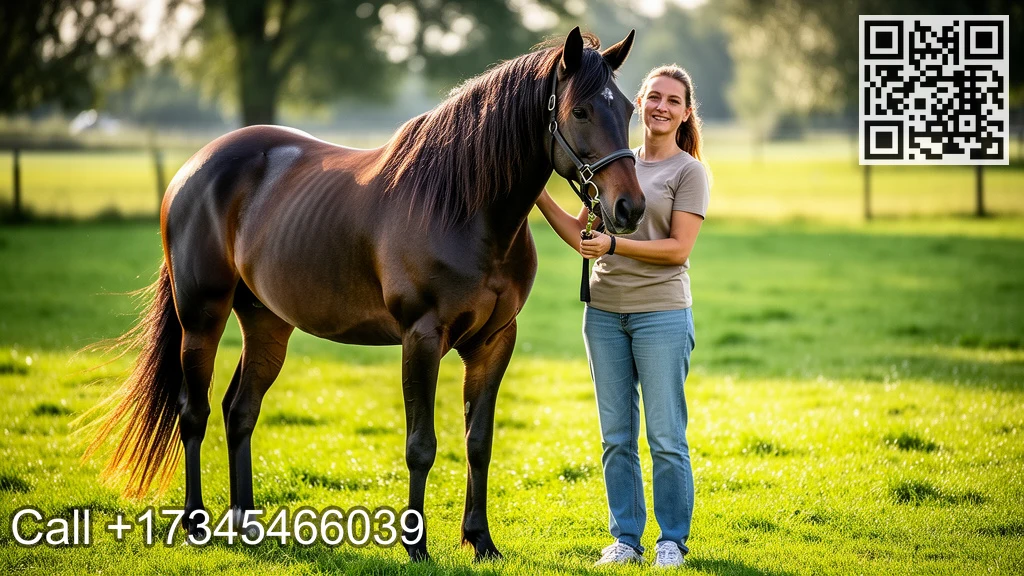
Year-round equine-assisted solutions are not about squeezing shows into calendars. They have to do with honoring the lengthy arc of adjustment and utilizing each period's character to educate what the minute invites. Steeds do not keep score across months. They stand or move, look towards or away, and offer contact when we offer quality. When we turn up consistently, dressed for the weather, all set to find out and prepared to stop when enough is enough, development follows. The hoofprints in spring mud, summer dust, autumn leaves, and winter season frost inform the story.
Happy Hooves Wellness
9177 Gross Rd, Dexter, MI 48130
+17345466039
https://www.hhooves.com/