The Sensory Steady: Different Therapy for Sensory Handling Obstacles
Walk into a peaceful barn on a weekday mid-day and you will certainly observe a lots tiny details your nervous system tracks without effort. The crunch of gravel, a hay-rich scent that is pleasant yet not sweet, a barn fan humming low, an interested gelding nosing the zipper on your jacket. For a youngster or adult with sensory processing obstacles, that very same minute can be overwhelming, or it can be a carefully structured play area for learning self-regulation. The difference hinges on prep work, pacing, and collaboration with the horses.
I have actually invested years enjoying people discover steadier footing around equines. I have also seen plans fall flat when the barn is also busy, the horse is ill-matched, or the timetable is rushed. The Sensory Secure is not a miracle; it is a thoughtful, living structure that brings together restorative horsemanship, job-related treatment principles, and equine-assisted solutions to build abilities that transfer home and into the classroom or office. When it functions, it looks basic. That simpleness is earned.
What we imply by sensory handling challenges
Sensory processing difficulties show up in a hundred tiny means. A youngster may seek activity continuously, spinning in the kitchen area in between attacks of grain. An additional may end up being stiff or weepy in a loud lunchroom. A grownup may do great at the workplace, then accident at home with headaches that trace back to fluorescent lights and a chair that never ever rather fits. Some have a scientific medical diagnosis such as autism range problem, ADHD, or sensory processing problem. Others describe a lifelong pattern of being "too delicate" or "always on."
The nerve system keeps us secure by filtering system, arranging, and focusing on input throughout senses. For some individuals, the filters sit broad open or snap closed without caution. The purpose of a different treatment for sensory challenges is not to change an individual's circuitry, it is to assist them develop a tool kit that decreases overload, increases firm, and sustains participation in the life they want. Equines provide an unusual mix of activity, comments, and sincere partnership that can make this job stick.
Why equines help
Three aspects tend to open progress.
First, balanced movement. A horse's walk produces multi-directional motion, about 90 to 110 actions per minute, which involves the motorcyclist's vestibular and proprioceptive systems. The hips moves in a pattern comparable to human strolling, which is one factor physical therapists and physical therapists sometimes team up in equine-assisted activities. You can dial strength up or down by readjusting stride, surface, and placement, from resting upright to existing throughout the horse's neck.
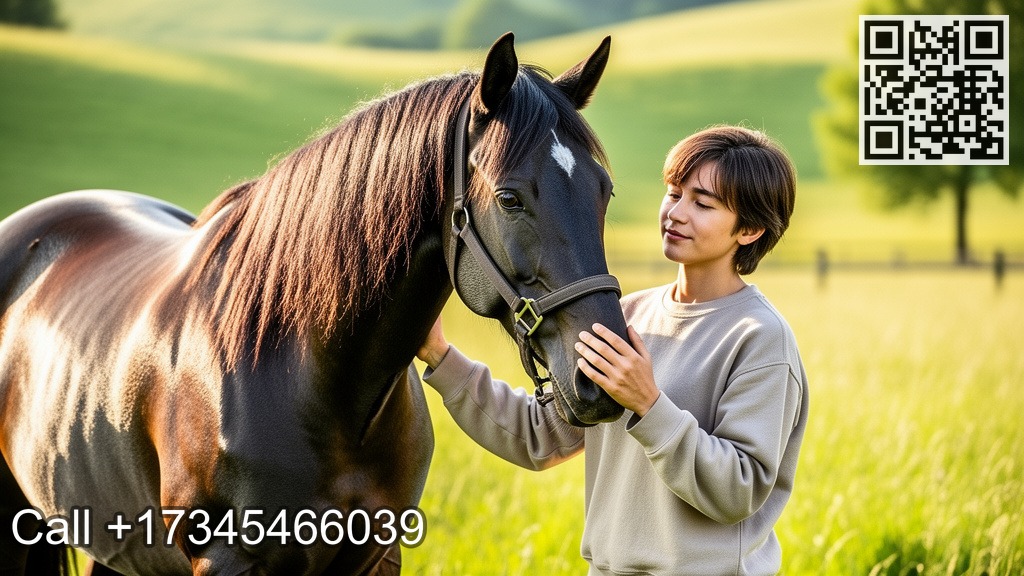
Second, relational co-regulation. Equines are victim animals, remarkably in harmony with body language, breathing, and stress. They react in real time to our internal state. I have seen a restless teen soften their shoulders, then see the horse's head decline a portion in feedback. That loophole of domino effect can be extra immediate than a counselor's words and, with repetition, it supports brand-new behaviors. This is where equine-facilitated wellness and equine-assisted training overlap with psychological wellness assistance, particularly for anxiety.
Third, sensory range with built-in meaning. A barn atmosphere provides tactile, olfactory, visual, and acoustic inputs that are not produced. Grooming a horse is not an exercise sheet, it is a task the horse takes pleasure in. Sweeping an aisle is not busywork, it is preparation for risk-free activity. Genuine tasks engage interest in different ways than drills, which issues for ADHD equine finding out support.
The Sensory Stable in practice
When I discuss a Sensory Secure, I mean greater than a silent barn. I indicate a program that makes use of equine-assisted solutions with clear goals, an experienced group, and a prejudice for measuring what issues. The group usually consists of a credentialed teacher in therapeutic horsemanship, an equine specialist who recognizes the steeds' tension signals intimately, and sometimes a physical therapist or mental health and wellness professional, depending on the person's needs.
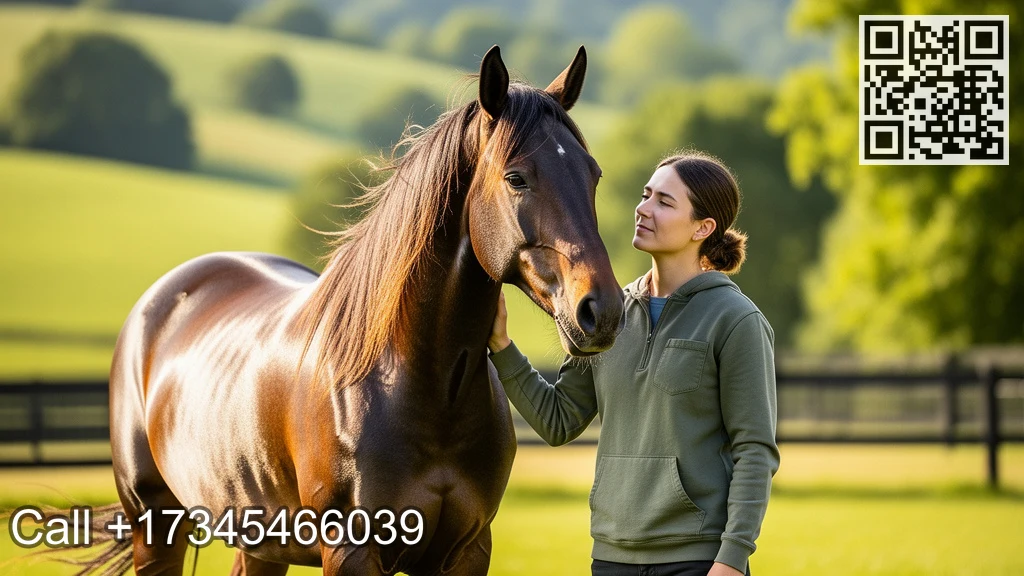
Sessions run between 45 and 75 mins. The initial 10 minutes often establish the tone. We might walk the fence line with each other, hands in pockets, naming sounds. Or we might hug the equine's shoulder and match breathing without touching. On difficult days, the entire session could take place outside the sector, under a tree where the equine can graze and the person can work out. There is no prize for entering the saddle. Actually, some of the most effective development I have seen happened during foundation and silent grooming.
A day with Ella
Ella was 9 when she arrived, diagnosed with autism and a history of bolting from changes. She enjoyed animals but had a reduced tolerance for unforeseen sound and active aesthetic areas. We paired her with Precursor, a Fjord gelding who stood simply under 14 hands with the attention span of a monk. The grooming set was simplified to 3 tools, each in its own zippered pouch. Ella was told she could say "pause" at any time by touching her wrist.
We never when had to prompt her to make use of "time out." She used it six times in the initial session. By session 4, she chose to place for 3 mins at the stroll while holding a strap. We set a timer behind her, hidden however within earshot, and accepted stop at the initial bell whatever. Predictability aided her danger a brand-new sensation without bracing for a shock. By month 3, her school reported less elopements from the lunchroom. She was sitting at the end of the table where foot website traffic was lighter, and she held a little grooming brush in her pocket that scented like Scout. Bring that smell with her came to be a peaceful bridge to safety.
A morning with Malik
Malik, 15, had ADHD and a route of apprehensions for "interrupting course." He was brilliant, funny, and wound limited as a springtime. He chatted so quick that the steed he met blinked three times, moved away, and yawned. We watched together and I asked what he believed the blink and yawn meant. He said, "He is burnt out." I revealed him where the muscle mass at the horse's flank flickered without flies nearby. "He is stressed out," Malik claimed, a little surprised. We established an obstacle: get three deep breaths from the horse prior to walking off.
He attempted jokes, clucks, whistles. None worked. After that he stood still, counted his own breathe out to 5, and the equine blew out a long, soft breath from his nostrils. Malik lit up. That little success developed into a game regarding vibration. We took it back to college by building a before-class routine: 2 lengthy exhales coupled with a glance at an image of the horse. His scientific research instructor emailed later on that month: "Whatever you are doing, send much more." Was this equine-facilitated training? In spirit, yes, though we never touched a company objective. It was mentoring a way of being.
What a session can look like
No two sessions are the same, however a constant arc aids. For many people, a foreseeable rhythm holds their nervous system, then the equine can do its peaceful job inside that container.
Here is a straightforward circulation that adjusts well to various ages and accounts:
- Arrive and orient: two mins to discover three noises, two smells, one texture. No stress to talk.
- Greeting ritual: await the steed to orient to you, then use a hand at midline, fingers with each other, palm down. Count 3 shared breaths.
- Ground task: pet grooming, leading via an easy pattern, or setting cones. Keep choices restricted to decrease decision fatigue.
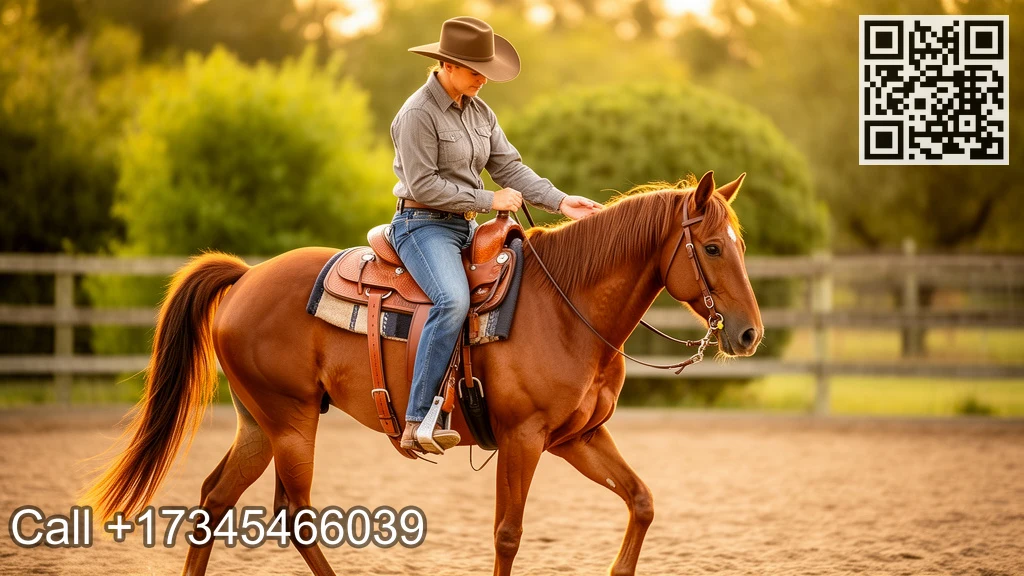
- Movement: mounted or unmounted, short and purposeful. For placed time, think three to 5 mins at the stroll in short sets, not a marathon.
- Cooldown and bridge: name one ability that worked, capture it in an aesthetic or expression to carry home, and give thanks to the steed with a scrape at a preferred spot.
That series looks short on paper, but it fills an hour when you pace it to a real person with a genuine equine. You can broaden or compress each aspect. For someone with high sensory defensiveness, arrival and welcoming might be 80 percent of the help weeks. For a sensory seeker, the activity block may lug even more weight, but it still lives inside a planned warm-up and cooldown to shield from an accident later.
From treatment to discovering to coaching
Families usually ask what the difference is in between therapeutic horsemanship, equine-assisted activities, and equine-assisted coaching. The lines are fuzzy since individuals's needs overlap. If the primary goals are clinical, such as improving postural control, resistance to touch, or exec operating in daily jobs, we are directly in the realm of therapeutic https://blogfreely.net/branyaawzi/growing-confidence-equine-assisted-mentoring-at-happy-unguis-in-dexter-mi horsemanship and allied equine-assisted services. If the focus approaches management, interaction, and group characteristics, we are discussing experiential learning with horses and equine-facilitated training. The methods share a core: clear objectives, a steed's straightforward responses, and organized reflection. The Sensory Steady model obtains from all three, after that tailors the mix to the person in front of us.
For offices and institutions, group structure with equines can serve as a capstone when individual guideline skills boost. I have run half-day workshops where trainees that as soon as infatuated on their own bewilder succeeded in working out a group job with a horse, such as relocating through a puzzle of posts without speaking. That kind of success lands differently than a trust autumn in a fitness center. The horse votes with its feet. Groups need to constant themselves, read nonverbal hints, and adjust in genuine time. That is not a gimmick, it is a living mirror.
Somatic healing with horses
Somatic does not indicate mystical. It suggests pertaining to the body. Somatic healing with equines focuses attention on sensation, pose, breath, and activity patterns as sources of info. For anxiousness, this can be a game-changer. A distressed individual typically lives inches in advance of their body, anticipating issues. Standing next to an equine that reacts to little shifts brings interest back to weight in the feet, gentleness in the knees, and the tempo of breath. We couple that understanding with easy selections: go back, step closer, touch the neck or the shoulder, look left or right. With time, the body discovers a sequence it can duplicate without the equine. The horse is both educator and training partner.
One of my adult customers, a 32-year-old visuals developer, began sessions for anxiety assistance with steeds after anxiety attack drove her to function from home. She never placed. Instead, she led a mare with patterns, concentrating on breath at each turnabout. By month two, she might explain the earliest tip of panic, generally a rigidity under her ribs, and react with a pattern she had actually exercised in the field. Her therapist informed her, "You developed a somatic map." That map began with a hoofprint.
Designing for sensory profiles
It is appealing to chase after a single method. Actual people call for choices. Here are patterns I take into consideration when planning.
Sensory defensiveness, the individual that alarms or withdraws, commonly needs fewer variables. We avoid peak hours. We pick steeds with sluggish blinks, pendulum tails, and a reduced ear carriage. We keep brushing devices predictable. Heavy grooming pads can add proprioceptive input without surprise. Installed work begins with a lead pedestrian and side spotter even if equilibrium is solid, merely to reduce social demand.
Sensory looking for, the individual that hungers for motion and deep stress, gain from framework that networks energy. We could utilize a bareback pad for textured input, construct short running sets in a fenced round pen, and adhere to each set with a standing job that calls for tranquility, like stabilizing a beanbag on the steed's neck while the horse stands. Too much unstructured stimulation, such as a congested show day, can set off disorder as opposed to satisfy the craving.
Mixed accounts are common. A youngster may seek rotating however prevent particular audios. That is where a sound-dampening headband and silent pockets of the home issue. We identify getaway routes in advance, not as penalty yet as a dignity-saving plan.
Horses as partners, not tools
Welfare is not a motto. Equines that carry the weight of human learning deserve evidence that we are watching out for them. In practice, that suggests clear work-rest ratios, normal turnout with herd companions, and training that rewards inquisitiveness. I retire equines from placed job when their joints tell us it is time, often maintaining them as ground partners. I additionally pay attention when an equine decreases a session. A pinned ear throughout tacking, a limited mouth while suppressing, or a steed that stands with his hindquarters angled away at welcoming time are data. We reschedule or alter the job. The best programs I know placed as much thought into the equines' sensory globe as the human beings'.
Evidence, end results, and straightforward limits
Families deserve sincerity regarding what we know. Research study on equine-assisted solutions is expanding but still patchy. Research studies on autism equine finding out programs reveal patterns toward gains in social communication and self-regulation. Deal with ADHD suggests enhancements in focus and working memory, usually gauged by moms and dad or teacher record rather than lab tests. Anxiety results usually rely upon self-report ranges, which matter, however we ought to pair them with habits markers such as school presence or sleep quality.
I ask each family members to name 2 functional goals we can observe. "Minimize disasters" comes to be "leave the space with a strategy throughout snack bar overload four days a week." "Better focus" comes to be "remain in seat with early morning meeting three days a week." We examine every six weeks. If we are stagnating, we readjust, or we claim this is not the ideal fit now. Equine-facilitated health should never be a cul-de-sac where hope idles without a map.
Safety without fear
Barns hold honorable dangers. Dust, hooves, and weather condition will certainly not follow us. We reduce risk with layered safety that does not frighten people away.
Helmets are nonnegotiable when placed. Boots with a heel help. Allergic reaction strategies matter, including rescue inhalers and EpiPens when relevant. We educate distance abilities long before asking for rate: where to stand, just how to transform, when to step back. Team look for heat stress and anxiety in summertime and sensory exhaustion all year. The general rule I instruct new volunteers is straightforward: slow is smooth, smooth is safe, and safe makes area for learning.
How to choose a program
If you are searching for support, you will certainly discover a selection of offerings. Some barns run equine-assisted activities with a recreational focus. Others use equine-facilitated training for grownups and teens around leadership and stress. A few have multidisciplinary groups that look like centers. Labels vary; in shape issues a lot more. Right here is a list of what to look for:
- A clear intake process that inquires about sensory history, objectives, and clinical requirements, not just riding experience.
- Horses matched intentionally to individuals, with a strategy to turn or relax them.
- Staff credentials that match your objectives, such as a therapeutic horsemanship certification, and partnership with OTs or mental health professionals when indicated.
- A prepare for gauging outcomes that makes sense to you, with check-ins and changes as opposed to a dealt with package.
- A barn culture that really feels calmness, clean, and kind to horses and people alike.
Trust your eyes and your gut. See one more session silently. Ask just how the team takes care of a difficult day. If you hear, "We just push with," keep looking.
Starting carefully at home
You do not need a ranch to start sustaining sensory policy with horse-informed habits. Obtain the spirit.
Create a quick arrival ritual for transitions, like after school or work. Name 3 noises, two smells, one structure. Slow your exhale. If a relative takes part in an equine program, ask for a hint or expression you can utilize at home to bridge skills. One teen attracted the rundown of her steed's ear on a sticky note at her workdesk. Touching that attracting prior to a test reminded her to drop her shoulders and breathe.
For nervous nights, some family members put a tiny sachet of tidy hay near the bed. Smell is a quick course to memory and safety for lots of people. Others use a horse's slow-moving eat as a psychological metronome, counting a quiet "one and two and three" for 30 secs to set a calmer rate before sleep.
Program nuts and bolts
The behind the curtain information make or damage sustainability. Horses need regular schedules and financial backing for care. Households require quality on costs, terminations, and scholarships. Staff need time to debrief and rest. My regulation is to leave 15 mins between sessions, even if it indicates fewer bookings in a day. That buffer soaks up the human and steed variables that constantly turn up, and it maintains me from hurrying the farewell, which is often one of the most essential min of the hour.
Gear selections issue. Soft lead ropes decrease hand exhaustion. Curry combs with 2 structures enable fast changes for sensory preference. Installing blocks with hand rails support balance without including people to the area. Visual routines published on laminated cards reduce language tons and keep us straightforward concerning pacing.
Seasonal adjustments require planning. In wintertime, the barn hum declines and the air feels sharper, which some individuals find comforting and others find penalizing. We reduce sessions or relocate even more of the job to enclosed areas when wind noise climbs. In summertime, hydration plans end up being specific, with cool towels accessible and placed time set up in short collections or earlier in the early morning. Steeds have their own seasonal rhythms, too. A horse that glides through springtime may come to be irritable throughout fly season. We include fly masks or shift pairings accordingly.
When it is not the ideal fit
Sometimes the barn is the incorrect place in the meantime. If an individual's anxiety of animals is high, direct exposure can backfire unless a mental health professional is on the group and the plan is gentle. If uncontrolled seizures, fragile bones, or severe allergic reactions elevate the danger past reason, we claim so plainly and check out surrounding supports. I have actually referred households to dog-based programs, climbing fitness centers, and pool therapy when those atmospheres much better matched an individual's account. The objective is not to funnel people right into equine work, it is to help them thrive.
Cost, gain access to, and imaginative partnerships
Equine programs are not inexpensive to run. Herd care, team training, insurance coverage, and building prices accumulate. Charges in several regions range widely, often in between 60 and 150 dollars per session. Scholarships and gives help, yet they hardly ever cover all needs. Partnerships with schools, health care systems, and companies can stabilize accessibility. I have actually seen school areas fund an autism equine learning program as part of extended school year solutions after tracking gains in attendance and self-regulation. Some companies fund equine-facilitated coaching for groups under stress and anxiety, after that provide family members days for workers with children that might gain from mild contact with equines. Innovative solutions keep the doors open to more people.
Building a bridge back to everyday life
The ideal sign of success is not how somebody behaves at the barn; it is what changes outside it. We prepare for transfer from the start. A moms and dad might discover a "barn breath" pattern and practice it with a youngster before riding in the auto. A teacher might set a trainee's seat near a home window and allow them bring a smooth pebble from the field to massage silently during shifts. A teen could practice the very same two-step cue that brought a horse to a stop as a method to stop briefly prior to talking in class.
Each program picks 2 or 3 bridge tasks, methods them in session, and sends them home on a tiny card. Basic, mobile, and connected to a sensory experience with a steed, those bridges make the discovering sticky.
A last word for the horse-curious
If the concept of equine-assisted services moves you, do not await an excellent minute. See a facility. Scent the hay. View exactly how individuals and equines move together. Ask functional concerns. Search for programs that treat horses as partners and individuals as entire beings, not as diagnoses or "instances." The Sensory Stable is not regarding riding in circles. It has to do with building a nerves that can fulfill the world with a steadier breath and a kinder rhythm, supported by an animal that urges we turn up as we are.
With treatment, humility, and a great team, equines can become effective allies in alternate therapy for sensory difficulties. They offer comments without judgment, movement with definition, and an existence that makes area for change. That is an unusual mix. It is likewise deeply human.
Happy Hooves Wellness
9177 Gross Rd, Dexter, MI 48130
+17345466039
https://www.hhooves.com/